
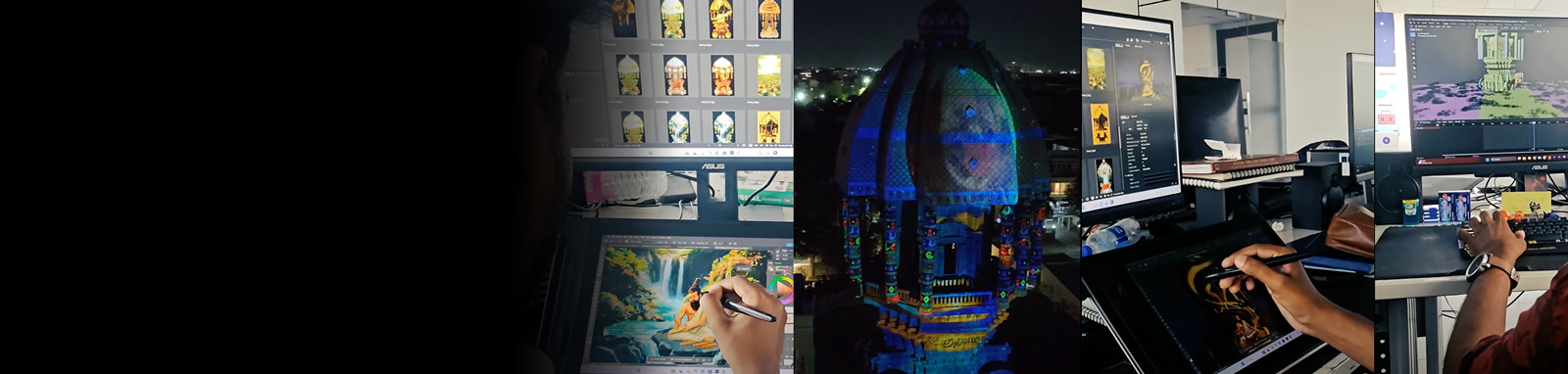
In recent years, immersive visual technologies have transformed how audiences experience events, architecture, and storytelling. One of the most striking innovations in this space is Projection Mapping. From large-scale monument shows to dramatic product launches, projection mapping has become a powerful tool for creating visually captivating experiences.
At its core, this technology allows ordinary surfaces such as buildings, stage sets, or objects to become dynamic visual canvases. Instead of projecting images onto a simple flat screen, this technology aligns visuals precisely with the shape and structure of a surface, creating the illusion that the object itself is moving, transforming, or telling a story.
Companies like Showman Entertainment known for its excellent projection mapping technologies specialise in designing immersive mapping experiences for events, cultural shows, and large public celebrations. In this guide, we will explore what projection technology is, how it works, where it is used, and why it has become one of the most exciting visual technologies in modern event production.
This is a visual display technique that projects digital content onto irregular surfaces such as buildings, monuments, stage sets, sculptures, or custom installations.
Unlike traditional projection, which requires a flat screen or surface, projection mapping uses specialised software to map visuals precisely onto the geometry of a physical object. This allows the projected content to align perfectly with architectural elements like windows, pillars, edges, and textures.
Because the visuals are customised to the structure, the surface itself appears to transform. Walls can seem to collapse, buildings can morph into new shapes, and static architecture can come alive through animation and light.
This combination of digital animation and physical architecture creates immersive visual experiences that engage audiences in ways traditional displays cannot.
Projection mapping is a combination of creative design and technical precision. The process involves several stages to ensure that the projected visuals align perfectly with the physical structure.
1. Surface Analysis
The first step involves studying the surface where the projection will be displayed. This can include buildings, stage sets, or custom installations. Designers analyse the structure’s shape, size, and architectural features to determine how visuals will interact with it.
2. 3D Modelling
The structure is recreated digitally using 3D modelling software. This digital model acts as a virtual canvas where designers can develop projection-ready visuals that match the exact dimensions of the surface.
3. Content Creation
Animators and visual artists design motion graphics, cinematic animations, and visual effects that interact with the architectural features of the structure. These visuals are specifically designed to align with the mapped surface.
4. Projection Setup
High-brightness projectors are installed at carefully calculated angles. Multiple projectors may be used to cover large surfaces such as building facades.
5. Calibration and Alignment
Projection mapping software is used to calibrate and align the visuals precisely with the structure. This step ensures that the animation fits perfectly with windows, edges, and architectural details.
Once the system is calibrated, the projection begins, and the structure appears to transform through light and animation.
Projection technology can be applied in several different ways depending on the surface and the purpose of the show.
3D Projection Mapping
3D projection mapping uses advanced animation and visual effects to create the illusion of depth and movement on a surface. Structures can appear to break apart, rotate, or transform into entirely new environments.
Architectural Projection Mapping
Architectural projection mapping focuses on large buildings, monuments, and landmarks. It is often used in cultural festivals, heritage storytelling shows, and tourism attractions.
Event Projection Mapping
Event projection mapping transforms stages, venue walls, and scenic installations into immersive visual environments. It is widely used in concerts, corporate launches, and entertainment productions.
Projection technology has become a popular visual medium across multiple industries.
Cultural and Heritage Shows
Many cultural festivals use this technology to tell historical stories through light and animation. By projecting visuals onto monuments and heritage structures, organisers can create immersive storytelling experiences for large audiences.
Corporate Events and Product Launches
Brands use projection technology to create dramatic product reveals and immersive brand experiences. Vehicles, buildings, or stage structures can be animated to showcase brand stories in visually striking ways.
Tourism and Public Installations
Cities often use projection on iconic landmarks to attract visitors and enhance tourism experiences. Seasonal light festivals and public art installations frequently feature large-scale projection shows.
Entertainment and Live Performances
Concerts, theatre productions, and music festivals use projection to transform stage sets into dynamic visual environments. By synchronising visuals with music and lighting, performances become more immersive and visually engaging.
Projection mapping stands out because it merges digital creativity with real-world architecture. Instead of relying on screens, it uses the environment itself as the display surface.
This allows designers to create experiences that feel larger than life. Buildings can become animated characters, stages can transform instantly into new environments, and static structures can tell stories through motion and light.
Because each mapping project is customised for a specific structure or venue, every projection show is unique. This ability to transform spaces creatively is what makes the technology so powerful for events and public experiences.
Projection technology requires a combination of advanced equipment and specialised software.
High-brightness projectors are used to ensure clear visuals even on large surfaces or outdoor environments. Mapping software helps designers align visuals precisely with the structure. Animation tools are used to create cinematic visuals that interact with the architecture.
Professional projection mapping projects also involve detailed technical planning, including brightness calculations, projection angles, and surface analysis to ensure that the final visuals are sharp and visually impactful.
Projection technology has become a popular tool for creating memorable experiences in events and entertainment. By transforming stages, venues, and buildings into visual storytelling platforms, event organisers can create environments that fully engage audiences.
From immersive stage environments to large architectural shows, projection mapping allows creators to push the boundaries of visual storytelling. This is why many event production companies now integrate projection technology into their design strategy for large-scale events.
Companies like Showman specialise in delivering projection experiences that combine animation, architecture, and advanced projection technology to produce visually spectacular shows.
As technology continues to evolve, this mapping is becoming even more immersive. Innovations in real-time rendering, interactive visuals, and augmented reality are expanding the possibilities of projection-based experiences.
Projection mapping has transformed the way visual experiences are created in events, cultural celebrations, and public installations. By merging digital animation with real-world architecture, this technology turns ordinary structures into extraordinary storytelling platforms.
Whether used for monument shows, concerts, or brand activations, this technology creates immersive environments that captivate audiences and leave lasting impressions.
As the technology continues to advance, projection mapping will remain one of the most exciting tools for creative visual storytelling, enabling artists, designers, and event producers to transform spaces into dynamic worlds of light and motion.
To get a free quote, contact us.


